Autonomic Medicine: Past, Present, and Future
* You will be redirected to the BCM DCPD credit management site when claiming credit and may be asked to register or log in.
In this presentation, Dr. David S. Goldstein reviews the clinical definition and pathophysiology of dysautonomias. He discusses the history of autonomic medicine and how challenges in this field may be addressed through advances in technology and research.
This Neurology Grand Rounds session took place on Monday, February 16, 2026 at 12:00 p.m.
Activity Information
How to Claim Credit
You may claim credit after watching this activity.
You will be redirected to the BCM DCPD credit management site when claiming credit and may be asked to register or log in.
Needs Statement
Learners require targeted education that increases their knowledge of current evidence-based guidelines and enhances their competence in applying new diagnostic and therapeutic approaches to neurological diseases. Subspecialist-led sessions on neurological testing and disease management can help participants understand the latest advances in migraine pharmacology, acute and preventive stroke strategies, and the integration of comorbidity management into neurological care. The educational activities of this series will focus on translating guideline recommendations into clinical decision-making, improving the ability to assess and manage patients using up-to-date techniques, and fostering the implementation of a wide spectrum of therapeutic interventions based on the latest evidence.
Educational Objectives
At the conclusion of the activity, participants should be able to:
- Evaluate major events in the history of autonomic medicine.
- Evaluate the current status of autonomic medicine and a clinical and scientific discipline.
- Assess future trends in autonomic medicine.
Target Audience
Professional Categories
- Physicians
- Medical Students
- Fellows
- Residents
- Other Health Professionals
Specialties
- Neurology
Interest Groups
Activity Evaluation
Evaluation by questionnaire will address program content, presentation, and possible bias.
Educational Methods
- Lectures
Accreditation/Credit Designation
Baylor College of Medicine is accredited by the Accreditation Council for Continuing Medical Education (ACCME) to provide continuing medical education for physicians.
Baylor College of Medicine designates this enduring material activity for a maximum of 1.0 AMA PRA Category 1 Credit(s)™. Physicians should claim only the credit commensurate with the extent of their participation in the activity.
Activity Director
Term of Approval
February 1, 2026 through February 29, 2028. Original release date: February 1, 2026.
Disclosure Policy
Baylor College of Medicine (BCM) is accredited by the Accreditation Council for Continuing Medical Education (ACCME) to provide continuing medical education (CME) for physicians. BCM is committed to sponsoring CE activities that are scientifically based, accurate, current, and objectively presented.
In accordance with the ACCME Standards for Commercial Support, BCM has implemented a mechanism requiring everyone in a position to control the content of an educational activity (i.e., directors, planning committee members, faculty) to disclose any relevant financial relationships with commercial interests (drug/device companies) and manage/resolve any conflicts of interest prior to the activity. Individuals must disclose to participants the existence or non-existence of financial relationships at the time of the activity or within 24 months prior.
In addition, BCM has requested activity faculty/presenters to disclose to participants any unlabeled use or investigational use of pharmaceutical/device products; to use scientific or generic names (not trade names) in referring to products; and, if necessary to use a trade name, to use the names of similar products or those within a class. Faculty/presenters have also been requested to adhere to the ACCME's validation of clinical content statements.
BCM does not view the existence of financial relationships with commercial interests as implying bias or decreasing the value of a presentation. It is up to participants to determine whether the relationships influence the activity faculty with regard to exposition or conclusions. If at any time during this activity you feel that there has been commercial/promotional bias, notify the Activity Director or Activity Coordinator. Please answer the questions about balance and objectivity in the activity evaluation candidly.
All of the relevant financial relationships listed for these individuals have been mitigated.
Disclosures
The following individual(s) has/have reported financial or other relationship(s) with commercial entities whose products/services may relate to the educational content of this activity:
Presenter
-
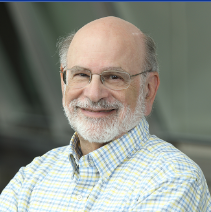
David Goldstein, M.D., Ph.D.
Scientist Emeritus
National Institute of Neurological Disorders and Stroke, U.S. National Institutes of Health
Disclosure:
Nothing to disclose.
Activity Director
Planning Committee Members
-
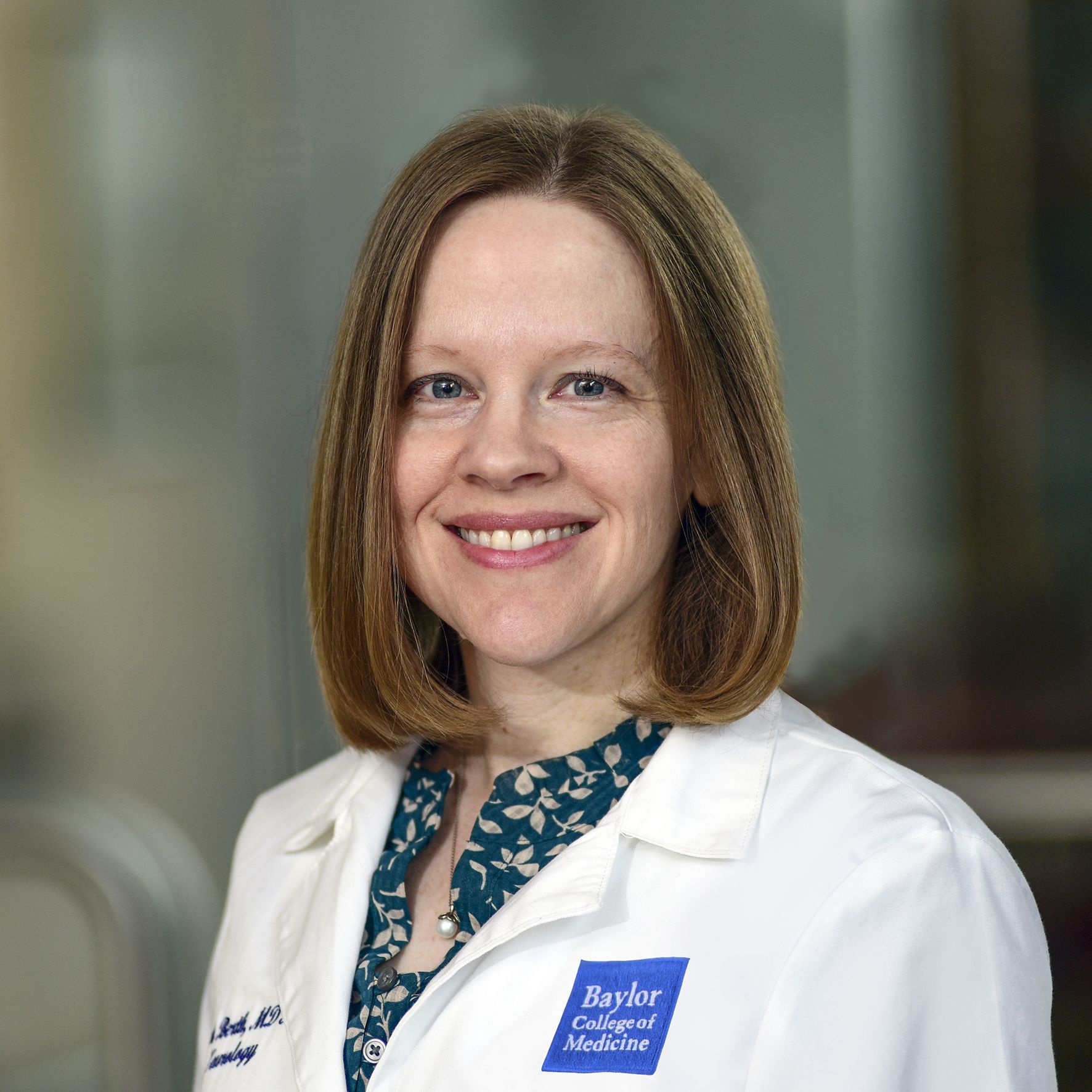
Sarah Berth, M.D., Ph.D.
Assistant Professor of Neurology, Director of ALS Clinical Trials Unit; Adjunct Assistant Professor of Neurology
Baylor College of Medicine; Johns Hopkins University School of Medicine (Baltimore, Maryland)
Disclosure:
- Research Support: Cellenkos (current)
-
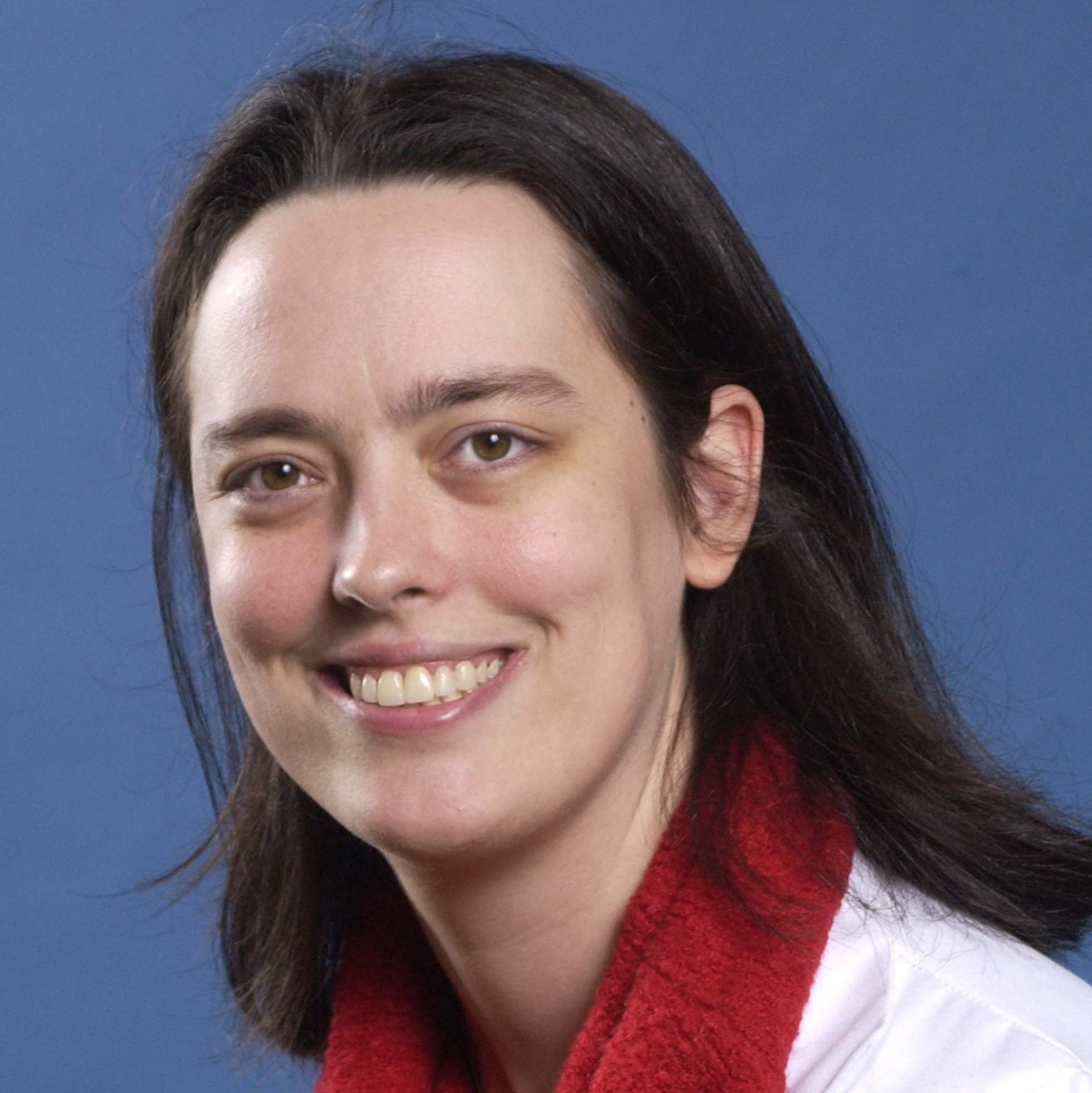
Corey Goldsmith, M.D.
Assistant Professor
Baylor College of Medicine
Disclosure:
- Intellectual Property (patent rights, royalty payments): Elsevier Publishing (royalty payments)
-
George Joseph Hutton, M.D.
Professor
Baylor College of Medicine
Disclosure:
- Research Support: Genentech; Genzyme; Horizon; Novartis; TGTherapeutics; Sanofi
- Consultancy: Novartis (ended)
- Advisory Committee Membership: Autoimmunity BioSolutions, Inc.
-
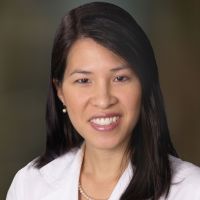
Doris Hichi Kung, D.O.
Associate Professor
Baylor College of Medicine
Disclosure:
- Consultancy: Aquifer (current)
-
-
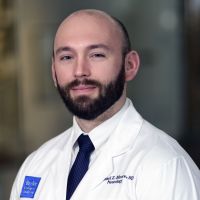
Michael Moore, M.D.
Assistant Professor, Neurology
Baylor College of Medicine
Disclosure:
- Research Support: Alexion Pharmaceuticals (current)
Health Topics
Presenter: