Evidence Matters: Building Trust Through Data, Patient Voices, and Community Engagement
* You will be redirected to the BCM DCPD credit management site when claiming credit and may be asked to register or log in.
In this presentation, Dr. Faith Fletcher discusses how quality improvement initiatives and clinical practice policies should be informed by both empirical evidence collected from surveillance and outcomes data, as well as information from patient lived experiences gathered from listening to patient voices and community perspectives. She describes how ethical, transparent, and inclusive approaches to evidence can strengthen trust and trustworthiness in healthcare and research.
This Department of Medicine Grand Rounds session took place on Thursday, September 17, 2026 at 12:15 p.m. and has been approved for CME and Ethics credit.
Activity Information
How to Claim Credit
You may claim credit after watching this activity.
You will be redirected to the BCM DCPD credit management site when claiming credit and may be asked to register or log in.
Needs Statement
Despite exposure to diverse educational modalities, internal medicine physicians often lack consistent access to structured feedback and opportunities to develop broader competencies. Learning methods, such as reflective practice, peer learning, and engagement with teaching programs are underutilized, and essential domains like communication, leadership, emotional intelligence, and professional identity formation are frequently underemphasized in traditional training. Additionally, there is a growing need to support clinicians in integrating both clinical and non-clinical competencies, including the safe and effective use of chronic opioid therapy for chronic pain management. This series aims to provide a platform for comprehensive, interdisciplinary educational framework that supports lifelong learning and fosters a culture of continuous improvement, shared expertise, and professional growth across the continuum of medical education. To ensure the delivery of high-quality, evidence-based care in a rapidly evolving healthcare landscape, faculty and trainees within the Department of Medicine require structured, ongoing educational opportunities that keep them current with emerging clinical guidelines, expert recommendations, and best practices in internal medicine. In this series, each subspecialty section contributes by designating experts to present clinical updates (e.g., management of atrial fibrillation from the cardiology section or management of chronic kidney disease from the nephrology section). The goal is for attendees to be able to apply these insights directly to their daily practice and patient care, as applicable.
Educational Objectives
At the conclusion of the activities, the participants should be able to:
- Examine why evidence matters for healthcare engagement and outcomes by exploring how surveillance data, qualitative research, patient testimonials, and community perspectives inform healthcare and research.
- Discuss how ethical, transparent, and inclusive approaches to evidence can strengthen trust and trustworthiness in healthcare and research.
- Identify strategies for integrating empirical evidence and patient experiences to strengthen trust, advance patient-centered care, and improve health outcomes.
Target Audience
Professional Categories
- Physicians
- Medical Students
- Fellows
- Residents
- Other Health Professionals
Specialties
- Internal Medicine
Interest Groups
- Equity, Diversity, and Inclusion
- Ethics
- Quality Improvement and Patient Safety
Activity Evaluation
Evaluation by questionnaire will address program content, presentation, and possible bias.
Educational Methods
- Lectures
Accreditation/Credit Designation
Baylor College of Medicine is accredited by the Accreditation Council for Continuing Medical Education (ACCME) to provide continuing medical education for physicians.
Baylor College of Medicine designates this enduring material activity for a maximum of 1.00 AMA PRA Category 1 Credit™. Physicians should claim only the credit commensurate with the extent of the participation in the activity.
This activity has been designated by Baylor College of Medicine for 1 credit of education in medical ethics and/or professional responsibility.
Activity Director
Term of Approval
September 1, 2026 through September 30, 2028. Original release date: September 1, 2026.
Disclosure Policy
Baylor College of Medicine (BCM) is accredited by the Accreditation Council for Continuing Medical Education (ACCME) to provide continuing medical education (CME) for physicians. BCM is committed to sponsoring CE activities that are scientifically based, accurate, current, and objectively presented.
In accordance with the ACCME Standards for Commercial Support, BCM has implemented a mechanism requiring everyone in a position to control the content of an educational activity (i.e., directors, planning committee members, faculty) to disclose any relevant financial relationships with commercial interests (drug/device companies) and manage/resolve any conflicts of interest prior to the activity. Individuals must disclose to participants the existence or non-existence of financial relationships at the time of the activity or within 24 months prior.
In addition, BCM has requested activity faculty/presenters to disclose to participants any unlabeled use or investigational use of pharmaceutical/device products; to use scientific or generic names (not trade names) in referring to products; and, if necessary to use a trade name, to use the names of similar products or those within a class. Faculty/presenters have also been requested to adhere to the ACCME's validation of clinical content statements.
BCM does not view the existence of financial relationships with commercial interests as implying bias or decreasing the value of a presentation. It is up to participants to determine whether the relationships influence the activity faculty with regard to exposition or conclusions. If at any time during this activity you feel that there has been commercial/promotional bias, notify the Activity Director or Activity Coordinator. Please answer the questions about balance and objectivity in the activity evaluation candidly.
All of the relevant financial relationships listed for these individuals have been mitigated.
Disclosures
The following individual(s) has/have reported financial or other relationship(s) with commercial entities whose products/services may relate to the educational content of this activity:
Presenter
-

Faith E. Fletcher, Ph.D., M.A.
Associate Professor, Center for Medical Ethics and Health Policy
Baylor College of Medicine
Disclosure:
Nothing to disclose.
Activity Director
Planning Committee Members
-

-

Parth Desai, M.D.
Internal Medicine Chief Resident
Baylor College of Medicine
Disclosure:
Nothing to disclose.
-
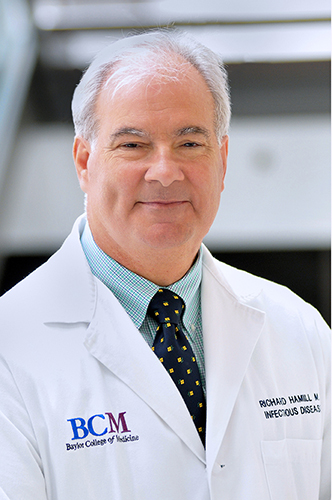
Richard J. Hamill, M.D.
Professor
Baylor College of Medicine
Disclosure:
- Research Support: Pfizer Pharmaceuticals
- Intellectual Property: McGraw Hill (current)
-
Blake Northrop, M.D.
Internal Medicine Chief Resident
Baylor College of Medicine
Disclosure:
Nothing to disclose.
-

-
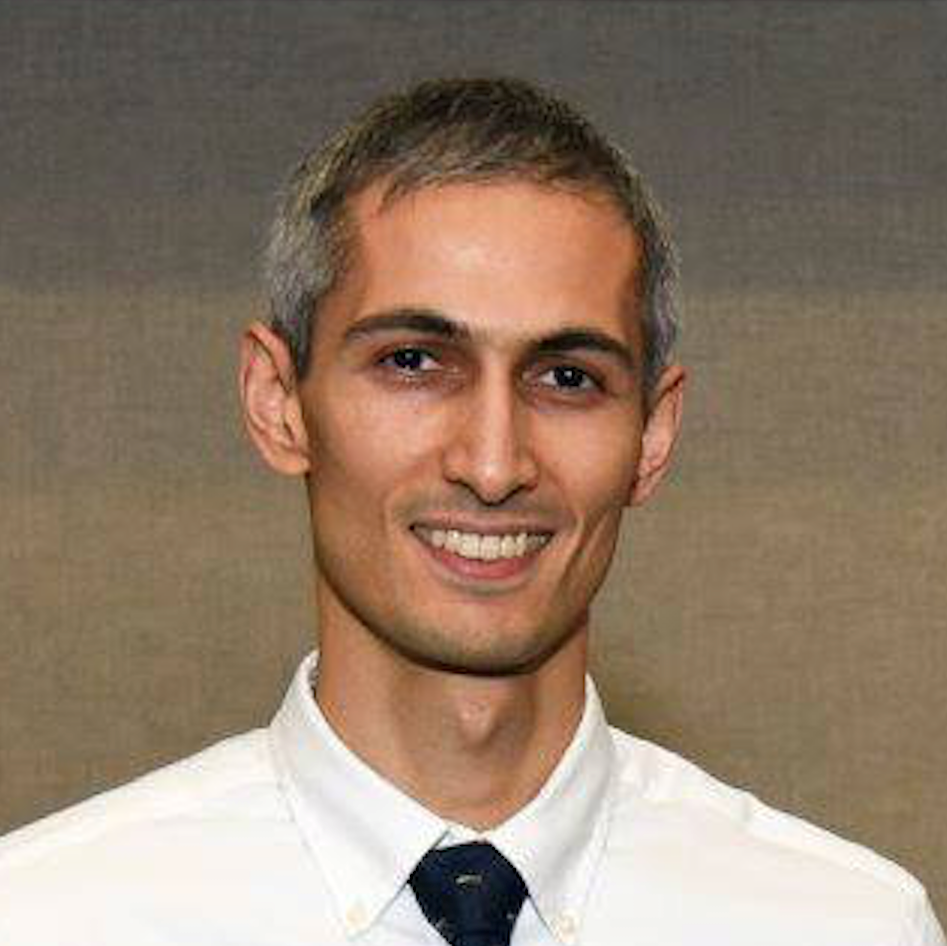
Zaven Sargsyan, M.D.
Associate Professor of Hospital Medicine, Associate Program Director of Internal Medicine Residency
Baylor College of Medicine and Ben Taub Hospital
Disclosure:
Nothing to disclose.
-

Stephanie Sherman, M.D.
Associate Professor
Baylor College of Medicine
Disclosure:
Nothing to disclose.
Health Topics
Presenter: